
Atatürk at Dolmabahçe: Room 71, the Clocks and the Minute of 9:05
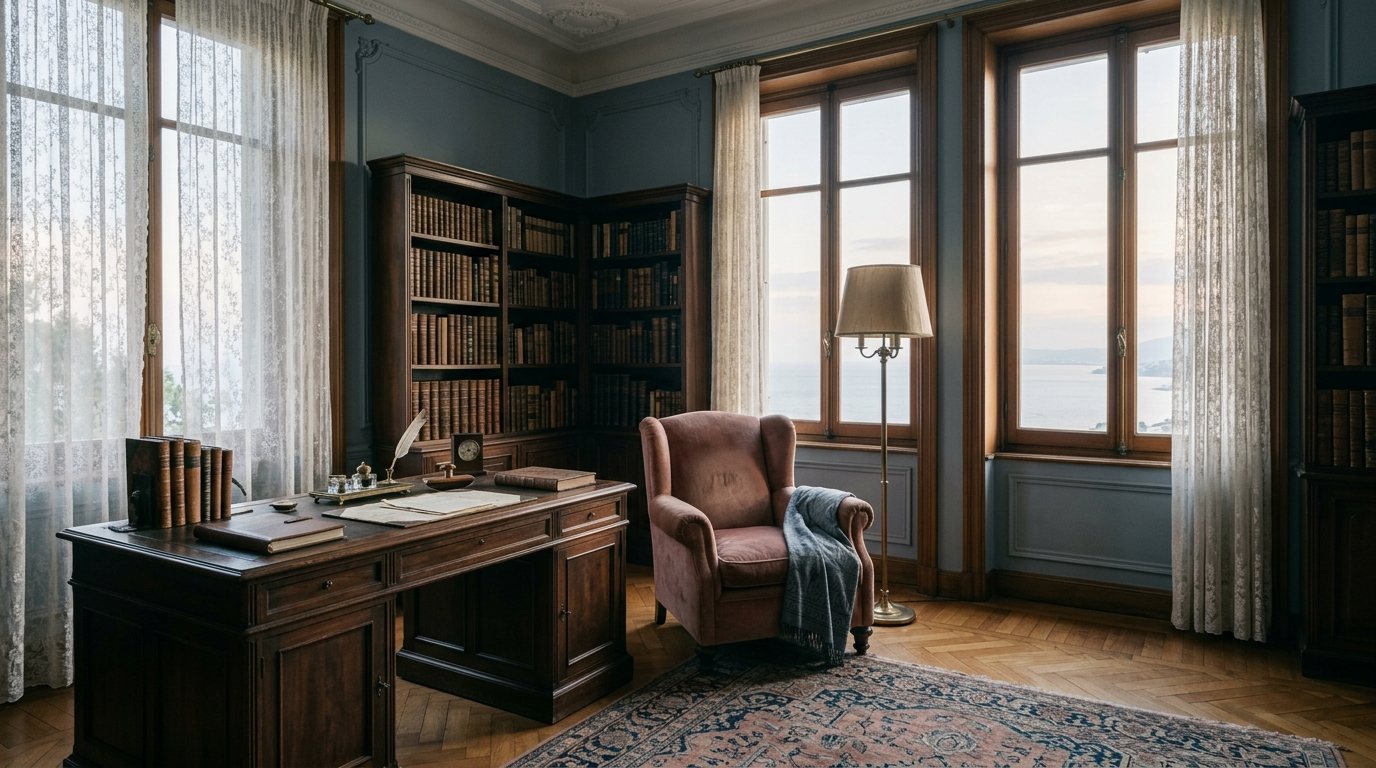
Mustafa Kemal Atatürk, founder of the Turkish Republic, used Dolmabahçe as his presidential residence in Istanbul and died there — in Room 71, at 9:05 in the morning, on 10 November 1938. The clocks of the palace were stopped at that minute in his memory, and the one in his bedroom still reads 9:05. No fact about the palace moves Turkish visitors more, and none says more about how a republic chose to inherit an empire.
This page covers the republican chapter of the palace’s story respectfully and factually: what Atatürk did here, what Room 71 is, and why one minute of one November morning is observed by an entire country. For what came before, start with the history of the last sultans.
Why the republic kept the palace
When the sultanate was abolished in 1922, Dolmabahçe could easily have become a trophy or a ruin. Atatürk’s government did something more deliberate: it nationalised the palace and put it to work. Ankara was the new capital — pointedly modest, pointedly inland — but Istanbul remained Türkiye’s window to the world, and the state needed a house there worthy of receiving it.
So the palace of the caliphs became, in official language, the residence of the President of the Republic in Istanbul. The symbolism was exact. Where sultans had received ambassadors beneath the four-and-a-half-tonne chandelier, a president now hosted the delegates of a parliamentary state — in the same rooms, under the same gold leaf, by the authority of a national assembly rather than a dynasty.
A palace put to work
Atatürk’s Dolmabahçe years were working years. From the late 1920s to 1938 he stayed at the palace on his Istanbul visits, and some of the young republic’s signature cultural projects unfolded under its ceilings:
- The alphabet campaign (1928). After the switch from Arabic to Latin script, Atatürk personally taught the new letters — and the palace’s halls hosted lessons in the new writing during the campaign that followed.
- History and language congresses (1932 onward). Dolmabahçe hosted gatherings of the new Turkish historical and linguistic societies, where the republic debated — sometimes fiercely — what its past and its language should be.
- State hospitality. Kings, shahs and statesmen calling on the young republic were received at Dolmabahçe, including King Edward VIII of Britain in 1936 — the palace doing precisely the diplomatic job Abdülmecid I had built it for, eighty years on.
Visitors sometimes expect a dictator’s residence and find the opposite: Atatürk’s private quarters occupy a small, almost austere corner of the vast building. He worked in a study facing the water, slept in a narrow bed, and left the state rooms to the state.
The final autumn of 1938
Atatürk arrived at Dolmabahçe in the spring of 1938 already ill. The diagnosis was cirrhosis of the liver, and through the summer and autumn the palace quietly became something no palace expects to be: the sickroom of a nation. Bulletins on his condition were issued from Istanbul; crowds gathered along the shore; the presidential yacht Savarona, on which he had hoped to recover, lay moored within view.
He spent his last weeks in the palace’s harem wing, in the small bedroom catalogued as Room 71 — chosen for practicality, near his physicians, away from ceremony. On the morning of 10 November 1938, at five minutes past nine, he died there. He was 57.
What happened next remains the palace’s most extraordinary scene. His body lay in state for a week beneath the 36-metre dome of the Ceremonial Hall, and Istanbul filed past day and night in numbers the building had never held for any sultan. From Dolmabahçe’s quay the coffin crossed to Sarayburnu by sea — the first stage of the journey to Ankara, where he would eventually rest at Anıtkabir.
Room 71 today
Room 71 is preserved with deliberate restraint. The bed is dressed with a silk Turkish flag; the furnishings are the ones he used; nothing has been added for effect. After decades in which the room was part of the palace visit, it stands today as a place of remembrance rather than display — and on 10 November each year it becomes the emotional centre of the country’s commemorations, with queues of visitors, many in tears, waiting to pass its door.
The contrast is the point. A few corridors away, the state apartments blaze with gold; here, the most consequential Turk of the modern age died in a room a schoolteacher might have furnished. Guides do not need to explain it. The room does.
The clocks at 9:05
The tradition began immediately: the palace’s clocks — and Dolmabahçe, with its clock tower outside and its collection of French and English clockwork inside, has many — were stopped at 9:05 in tribute. For decades every clock in the building read the same impossible minute. Today the palace’s horologists keep most of the collection running at the correct time, as a working museum should; the clock in Room 71 alone stays at 9:05, permanently.
The minute itself belongs to the whole country now. At 9:05 on 10 November, sirens sound from Edirne to Kars: cars stop on bridges, ferries hold their horns down in the Bosphorus, classrooms stand. At Dolmabahçe — the one place where the minute is not symbolic but literal — the effect is overwhelming, with the crowd on the quay facing the room where it happened.
Standing there yourself
The palace wears both of its identities at once — the empire’s last house and the republic’s first shrine — and the Atatürk rooms are part of the standard palace route. The history page sets up everything that led to 1922; the architecture guide explains the building around Room 71. Palace entry is ticketed, and 10 November is understandably the busiest morning of the year — any other day, you will have the quiet the room deserves. When you’re ready, book your entry ahead and give this corner of the palace the unhurried few minutes it asks for.